6 Everyday Foods That May Help Lower Dementia Risk
7/8/20263 min read
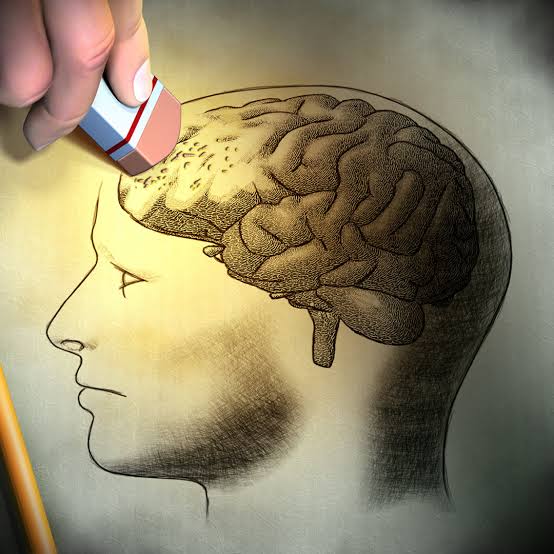
Forgetting a familiar name can leave you wondering if something far more serious has begun. That quiet question often follows you long after everyone else has forgotten the moment.
Memory changes happen for many reasons. Stress, poor sleep, medications, aging, and certain health conditions can all play a part. Still, your brain depends on the same daily care as the rest of your body, and what you eat can influence how well it works over time.
No single food prevents dementia. But research suggests that certain eating patterns support brain health and may lower long-term risk when they become part of everyday life.
Here are six foods worth making room for.
Leafy greens like spinach and kale provide vitamin K, folate, and plant compounds that support healthy brain cells.
Fatty fish such as salmon, sardines, and trout contain omega-3 fats. These help maintain the structure of brain cells and support communication between them.
Berries offer natural compounds called flavonoids. These may help protect brain tissue from everyday wear linked to aging.
Walnuts contain healthy fats along with vitamin E and other nutrients that support overall brain function.
Beans and lentils provide steady energy instead of sudden sugar spikes. Your brain works best with a stable supply of fuel throughout the day.
Extra virgin olive oil supplies healthy fats and plant compounds that support blood vessels, including those carrying oxygen to your brain.
These foods work best together, not alone. They also matter more when combined with regular movement, enough sleep, social connection, and keeping blood pressure and blood sugar under control.
That is the honest limit of any food list.
Even the healthiest meals cannot teach your brain new patterns of activity or address every reason memory slips happen. You can eat well for years and still feel frightened when a familiar face suddenly feels unfamiliar. That emotional gap is often the hardest part.
I learned that in a way I never expected.
One afternoon I stood in my living room smiling at my son-in-law. We had been family for fourteen years.
His face looked familiar.
His name was gone.
I smiled, nodded, and hoped nobody noticed the panic growing inside me. My mind searched for something that should have arrived without effort.
It never did.
The moment stayed with me because my mother spent her last years not recognizing the people she loved. She died without knowing my name.
Every memory blank carried the same question.
Was I walking the same road?
I tried crossword puzzles because everyone recommended them. I downloaded brain training apps. I even followed advice from well-meaning neighbors.
Some mornings felt slightly better.
Most felt exactly the same.
Soon I started hiding my mistakes. I laughed when I forgot names. I changed conversations before anyone could see me struggling. I quietly skipped family gatherings because I feared someone would greet me and I would not know who they were.
Then I came across research describing older adults in rural parts of Japan who experienced unusually low rates of cognitive decline. What caught my attention was not another pill or special food.
Researchers described a simple ten-second mental practice people used before falling asleep and again after waking.
I cannot tell you it will work the same way for you. I am not a doctor, and I cannot promise any outcome. I can only share what made sense to me after reading the research and what happened when I tried it myself.
I decided I had nothing to lose.
Weeks passed quietly.
Then something small happened that meant everything.
My husband's cousin came to visit. Before he even reached the front door, his name appeared in my mind without effort.
Nobody else in the house would have thought twice about that moment.
I stood in the hallway trying not to cry.
For the first time in two years, I felt like myself again.
That tiny daily habit did not erase every forgotten word. But it gave me hope because the blanks became less frequent, and I stopped living in constant fear of the next conversation.
I put together a short free video because I know how easy it is to doubt stories like mine. In it, I explain the Japanese bedtime technique, why I believed it was worth trying alongside healthy daily habits, and why acting sooner matters since brain health often becomes harder to support after decline progresses.
This website contains affiliate links. If you make a purchase through one of these links, I may receive a small commission at no additional cost to you. The experiences shared on this site are personal and individual. Results are not guaranteed and can vary from person to person. All content is provided for informational purposes only and should not be considered medical advice. Always speak with a qualified healthcare professional before beginning any new health protocol or supplement.
pages
legal
© 2024. All rights reserved.