The One Food That May Help Improve Your Memory
7/9/20263 min read
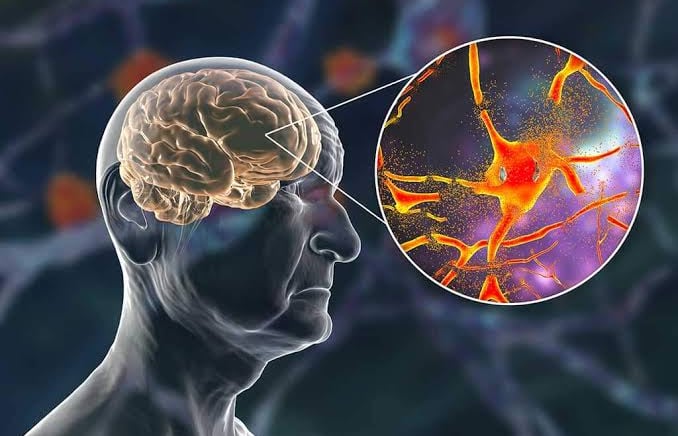
Forgetting a familiar name can leave a quiet fear behind that lasts all day. Every small blank can make you wonder whether something much bigger has already begun.
That fear deserves respect.
Memory changes for many reasons. Poor sleep, stress, certain medicines, hearing loss, and normal aging can all play a part. Forgetting where you left your keys is not the same as forgetting people you love. Even so, those moments can shake your confidence.
When people search for memory foods, one keeps appearing in study after study.
Fatty fish.
Fish like salmon, sardines, trout, and mackerel contain omega-3 fats. Your brain is rich in these fats. They help support the structure of brain cells and play a role in how those cells communicate.
That does not mean one meal will sharpen your memory overnight.
Brain health grows from steady habits. Eating fatty fish once or twice a week may support long-term brain function when it is part of an overall healthy lifestyle. Pairing it with enough sleep, regular movement, social connection, and managing blood pressure appears to matter even more.
Blueberries, leafy greens, walnuts, and olive oil also have research behind them. They provide nutrients that help protect brain cells from everyday wear.
Simple meals often beat complicated plans.
A salmon dinner with vegetables. Sardines on whole-grain toast. A handful of walnuts with fruit. Those choices are easier to repeat than chasing the newest trend.
Still, honesty matters.
Food can support a healthy brain, but it cannot explain every worrying memory lapse. If you find yourself struggling more often, or loved ones notice changes that concern them, it is worth speaking with a healthcare professional. And even when your meals improve, many people still feel anxious because they never learn how to calm the constant cycle of worrying about every forgotten word.
That was exactly where I found myself.
I spent forty years teaching children. Remembering names came naturally to me.
Then one afternoon I stood in my own living room looking at my son-in-law.
We had been family for fourteen years.
His face looked familiar, but his name was simply gone. I smiled while my mind searched. Inside, I felt panic rising because I knew I should have remembered instantly.
My mother spent her final years unable to recognize the people closest to her. She died without knowing my name.
After that afternoon, every forgotten word carried the same silent question.
Was I following the same path?
I hid the problem whenever I could. I laughed when I forgot something. I changed conversations before anyone noticed. Eventually I skipped family gatherings because I worried someone would greet me and I would not know who they were.
I filled crosswords.
I downloaded brain games.
I tried every suggestion friends passed along.
Some days seemed a little better.
Most felt exactly the same.
One evening I came across research describing rural communities in Japan where cognitive decline appeared less common than expected. What caught my attention was not a pill or a special food. Researchers discussed a simple ten-second mental technique people practiced before sleep and again after waking.
I do not know whether it will affect you the way it affected me. I am not a doctor, and I cannot promise results. I can only tell you why it made sense to me and what happened after I began practicing it consistently.
Weeks passed before I noticed anything.
Then something small happened.
My husband's cousin walked toward our front door.
Before he even reached the porch, his name came to me without effort.
I stood in the hallway longer than I should have because I realized I had not forced that memory. It simply arrived. For the first time in two years, I felt like myself instead of someone pretending everything was fine.
That moment mattered more than any crossword ever had.
I made a short free video because I know how easy it is to feel skeptical after trying so many different ideas. In it, I explain the food choices that made sense to me, the research that led me to that ten-second mental technique, and why I decided it was worth adding to my daily routine.
The brain changes throughout life, and waiting often means missing opportunities to support it sooner rather than later. Understanding what you can do today may matter more than hoping tomorrow feels different.
This website contains affiliate links. If you make a purchase through one of these links, I may receive a small commission at no additional cost to you. The experiences shared on this site are personal and individual. Results are not guaranteed and can vary from person to person. All content is provided for informational purposes only and should not be considered medical advice. Always speak with a qualified healthcare professional before beginning any new health protocol or supplement.
pages
legal
© 2024. All rights reserved.